About Natural Biomass Briquettes
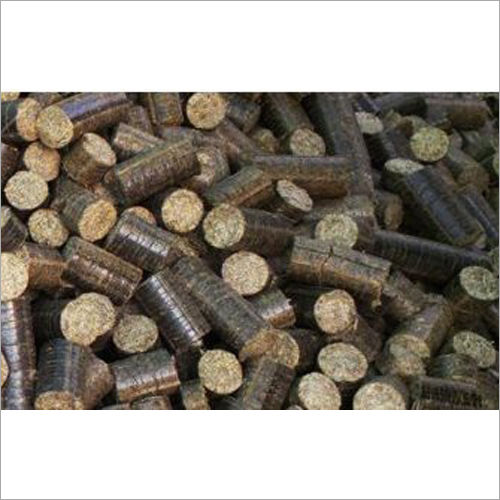
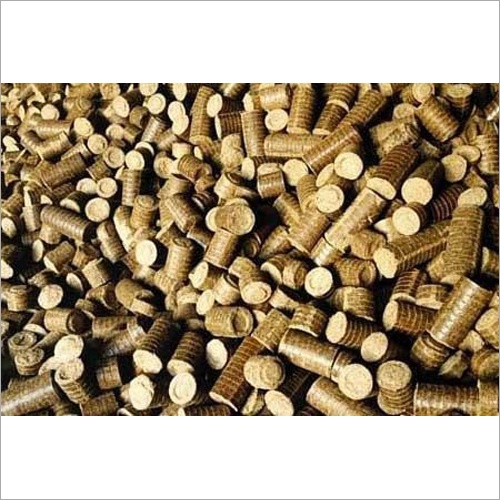
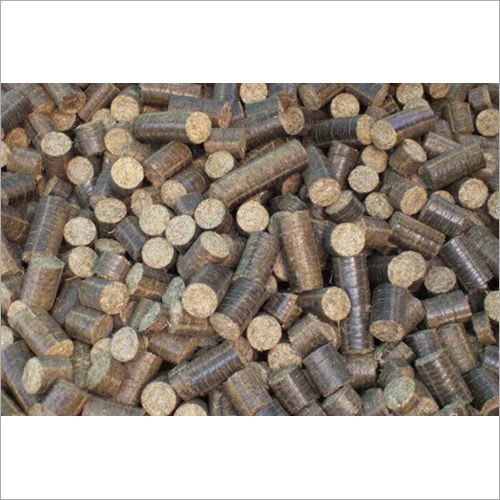
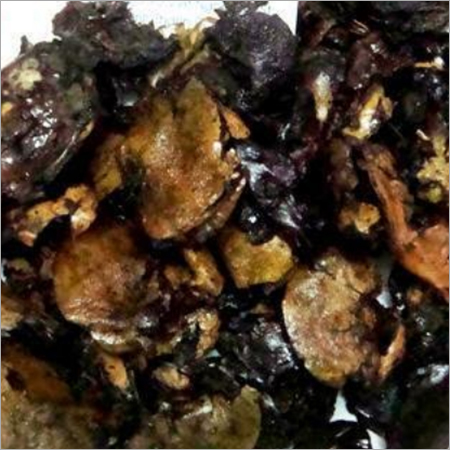
Our Natural Biomass Briquettes contain different natural materials, including agricultural waste, rice husk, municipal solid waste, bagasse, and ground nut shells. The formulation changes by area because of the accessibility of materials that are assembled and compacted into briquette to burn and enable transportation simpler. These are altogether different from charcoal since they do not have enormous solutions of carbonaceous matters and included materials. Contrasted with petroleum fuels, the Natural Biomass Briquettes produce low net greenhouse discharges sue to the materials utilized are a segment of the carbon cycle.
Eco-Friendly Energy for Industrial and Domestic UseThese natural biomass briquettes offer a sustainable energy alternative with low emissions and high calorific value. Their long combustion time and minimal ash residue make them ideal for a variety of applications, including power plants, brick kilns, industrial boilers, and domestic cooking. With a hardness that ensures minimal breakage during handling and transport, they provide consistent performance for energy needs.
Superior Combustion and Durable PackagingPackaged in sturdy jute or plastic bags, each weighing 10-12 kg, these briquettes are easy to handle and store. Thanks to a moisture content of only 7-10% and negligible sulphur and phosphorus content, they burn cleanly and efficiently. The slow-burning property ensures a steady supply of heat with each use, while their cylindrical shape and size allow for even combustion in various equipment.
FAQs of Natural Biomass Briquettes:
Q: How should natural biomass briquettes be stored to maintain their quality?
A: To preserve the efficiency and integrity of the biomass briquettes, store them in a dry place away from moisture. This helps prevent any absorption of water, ensuring that the briquettes maintain their low ash content, high calorific value, and burn performance.
Q: What are the main benefits of using these briquettes over traditional fuels like coal?
A: These biomass briquettes have a high calorific value comparable to lignite, low sulphur content (less than 0.05%), and emit less ash (4-8%). They offer long-lasting combustion, produce minimal residue, and are more environmentally friendly than coal due to reduced pollutants and sustainable raw materials.
Q: When and where are natural biomass briquettes most commonly used?
A: Biomass briquettes are widely used in power plants, industrial boilers, brick kilns, and also as domestic fuel. They are suitable whenever a clean, efficient, and cost-effective combustion source is required, making them ideal for both industrial and residential settings.
Q: What is the standard process for using these briquettes in combustion systems?
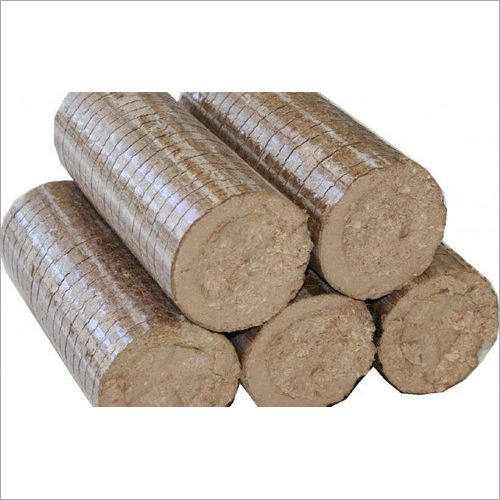
A: These briquettes are designed for direct combustion. Simply feed the cylindrical briquettes (60mm x 150mm in size) into the combustion chamber of your boiler, kiln, or stove, ensuring consistent fuel flow for optimal burning performance and heat output.
Q: How do the physical properties of these briquettes enhance their performance?
A: With a density range of 900-1200 kg/m, high mechanical strength, and low moisture content, these briquettes are hard and durable, resisting breakage and providing reliable, steady combustion. Their size and cylindrical shape facilitate better air circulation and efficient burning.








 Send Inquiry

 Send Inquiry